

Texas Is Entering a New Energy Era
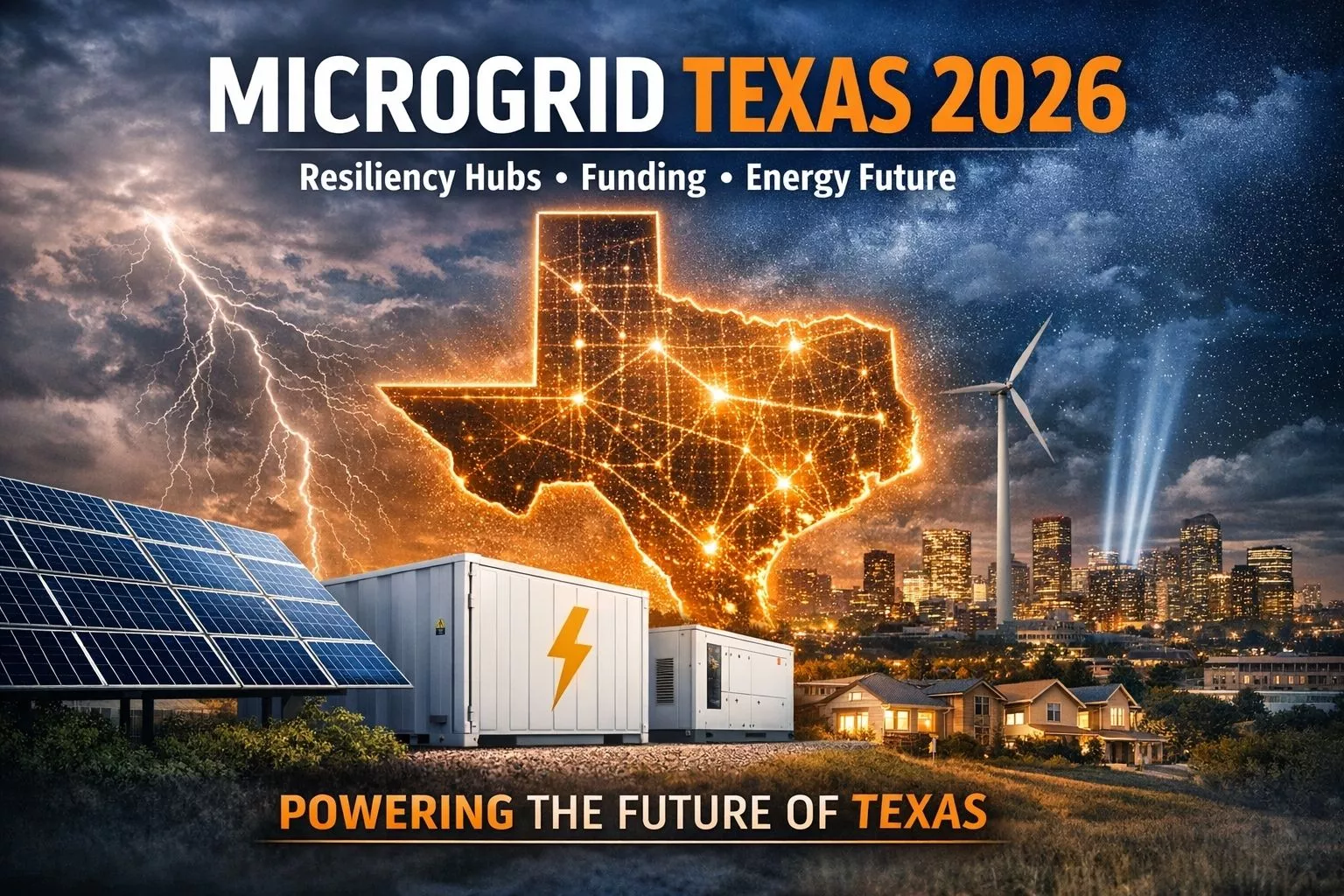
Texas is on the brink of a major shift in how energy is generated, stored, and delivered. Across the state, organizations are preparing for a surge in microgrid projects and resiliency hubs in 2026.
This shift is no longer theoretical. It is already happening.
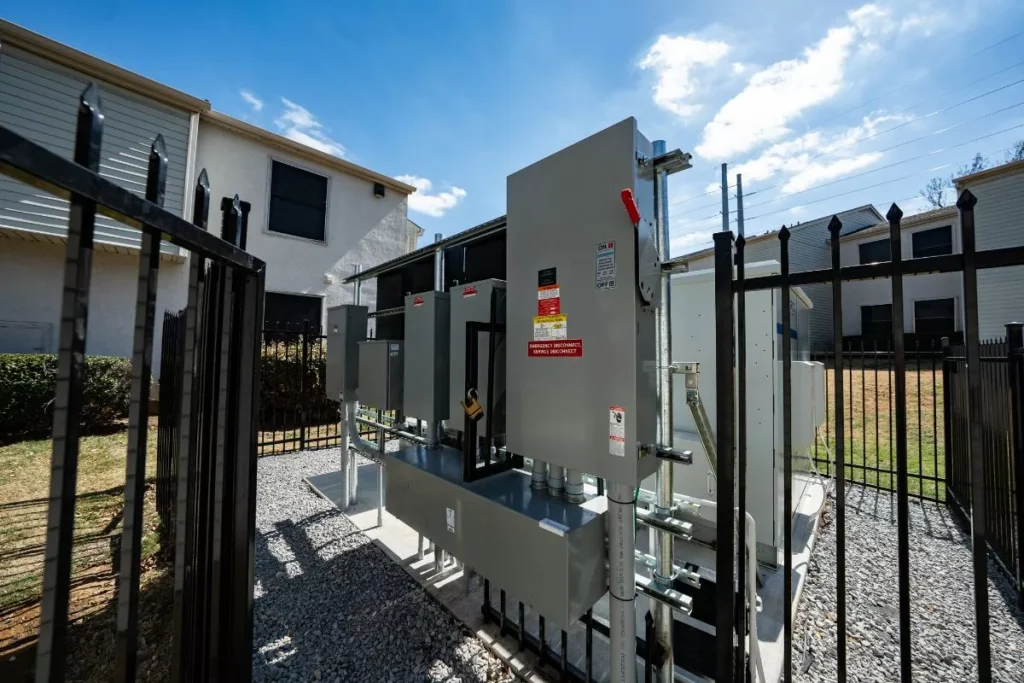
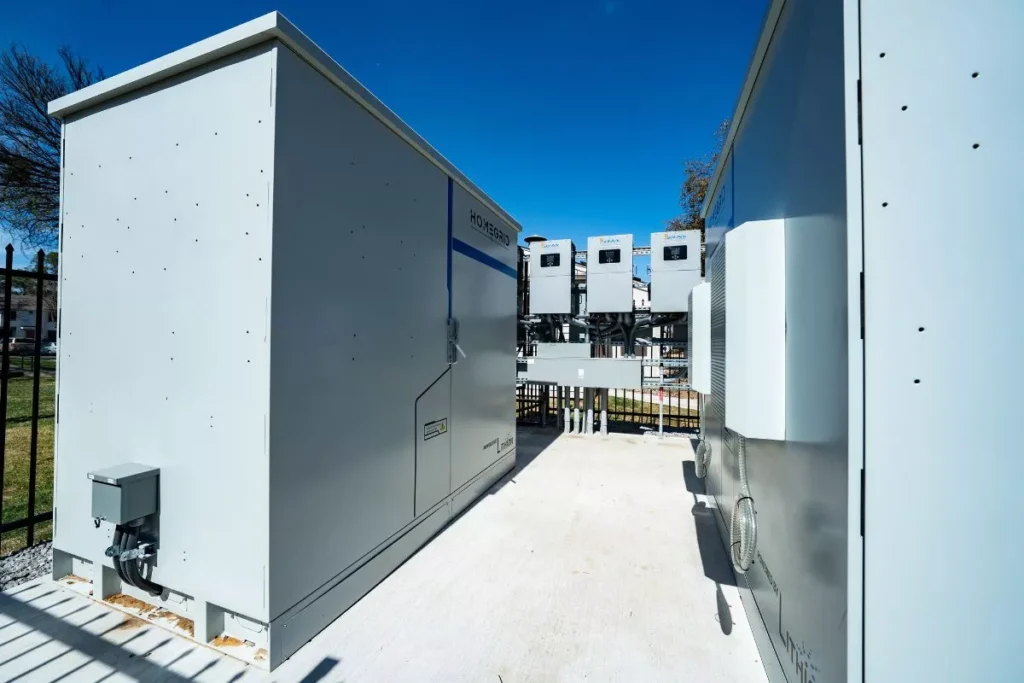
A recent project in Arlington, highlighted by The Dallas Morning News, demonstrates how solar-powered resiliency hubs and microgrids are being deployed to keep power flowing during outages. Projects like this are setting the stage for widespread adoption across Texas.
If you manage a property, municipality, or commercial facility, now is the time to understand what is coming next.
What Is a Microgrid and Resiliency Hub?
A microgrid is a localized energy system that can operate independently or alongside the traditional power grid. It often combines:
- Solar energy systems
- Battery storage solutions
- Backup power generation
- Smart energy management systems
A resiliency hub builds on this concept. It provides a centralized location where power remains available during outages, ensuring continuity for critical services.
Because of this, microgrids and resiliency hubs are becoming essential for energy resilience in Texas.
Why Microgrid Texas 2026 Will Be a Breakout Year
1. Strong Financial Incentives Are Still Available
One of the biggest drivers behind microgrid adoption in Texas is the availability of financial incentives.
- Federal tax credits can exceed 30%
- Grants and funding programs are expanding
- Public-private partnerships are increasing
Additionally, funding programs supported by the Public Utility Commission of Texas are expected to inject significant capital into energy infrastructure projects.
Because of these incentives, early adopters can dramatically reduce upfront costs.
2. Real-World Projects Are Already Proving the Model
The resiliency hub project in Arlington, TX is a clear example of what is possible today.
This initiative which is supported by organizations such as the Texas Energy Poverty Research Institute (TEPRI) and Google, demonstrates how solar + battery microgrid systems can provide reliable backup power for residential communities.
More importantly, it shows that:
- Microgrids are scalable
- Funding partnerships are viable
- Communities can achieve real energy resilience
As more projects like this are completed, confidence in microgrid development continues to grow across Texas.
3. The Texas Power Grid Is Under Increasing Pressure
Texas continues to experience rapid population growth and economic expansion. As a result, the energy demand is rising at an unprecedented rate.
At the same time:
- Extreme weather events are becoming more frequent
- Infrastructure is aging in certain regions
- Peak demand is pushing grid limits
Therefore, organizations are seeking backup power solutions in Texas that provide stability and control.
Microgrids offer a proven solution.
4. Energy Costs Continue to Rise
Energy prices are not trending downward. Instead, they are becoming more volatile. For businesses and property owners, this creates uncertainty. However, microgrid systems can:
- Reduce long-term energy costs
- Provide predictable energy pricing
- Improve operational efficiency
Because of this, many organizations now view microgrids as both a resilience strategy and a financial investment.
Who Should Be Planning a Microgrid in Texas?
Not every facility has the same energy needs. However, several sectors stand to benefit significantly from microgrid planning in Texas.
Multifamily and Affordable Housing
- Protect residents during outages
- Maintain essential services
- Increase property value
Municipalities and Cities
- Ensure continuity of critical infrastructure
- Support emergency response efforts
- Strengthen community resilience
Commercial and Industrial Facilities
- Prevent costly downtime
- Maintain production and operations
- Improve energy efficiency
Healthcare and Educational Facilities
- Protect vulnerable populations
- Maintain critical systems
- Ensure uninterrupted services
Because of these benefits, microgrids are rapidly becoming a priority across multiple industries.
The Risk of Waiting Too Long
While the opportunity is significant, timing matters.
Organizations that delay may face the risk of reduced access to funding programs and increased competition for incentives that are out there. All this leads to higher implementation costs.
In contrast, those who act early can secure funding that is needed and lock in the tax advantages by having a strategic implementation plan.
Ultimately, microgrid Texas 2026 planning should begin now, not later.
How Holistic Utility Solutions Helps You Get It Right
Developing a microgrid is not just about installing equipment. It requires a clear strategy, proper funding alignment, and coordination with utilities.
This is where Holistic Utility Solutions provides its value to you.
Here at Holistic, we work with clients to achieve the following outcomes:
- Evaluate feasibility and site suitability
- Align projects with available funding and incentives
- Coordinate with utilities and regulatory bodies
- Develop long-term infrastructure strategies
As a result, clients move from uncertainty to a fully defined and executable microgrid plan.
The Time to Plan for Microgrid Texas 2026 Is Now
The momentum behind microgrid development in Texas is accelerating.
Projects like the Arlington resiliency hub are just the beginning. Many more developments are expected across the state in the coming years.
Funding is available. Demand is rising. Infrastructure is evolving.
Most importantly, 2026 projects are already being planned today.
Organizations that take action now will be positioned to benefit from incentives, improve resilience, and reduce long-term costs.
If you are considering a microgrid or resiliency hub in Texas, now is the time to start the conversation.
Click here to reach out to Holistic Utility Solutions to explore how your facility or project can be positioned for success in 2026 and beyond.