
Overview
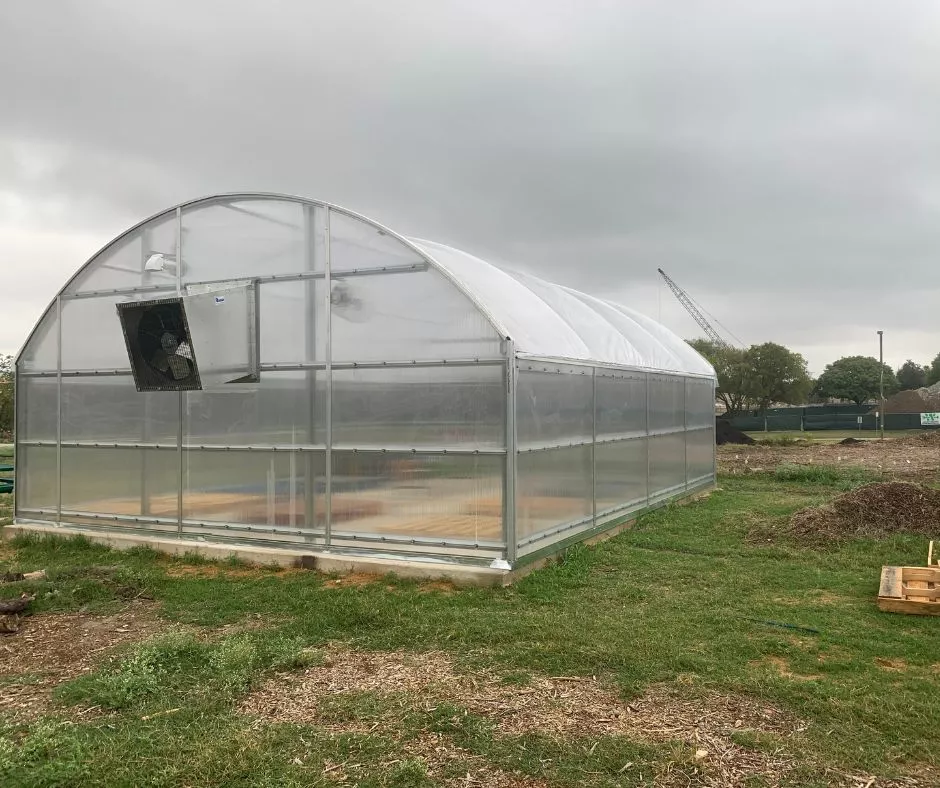
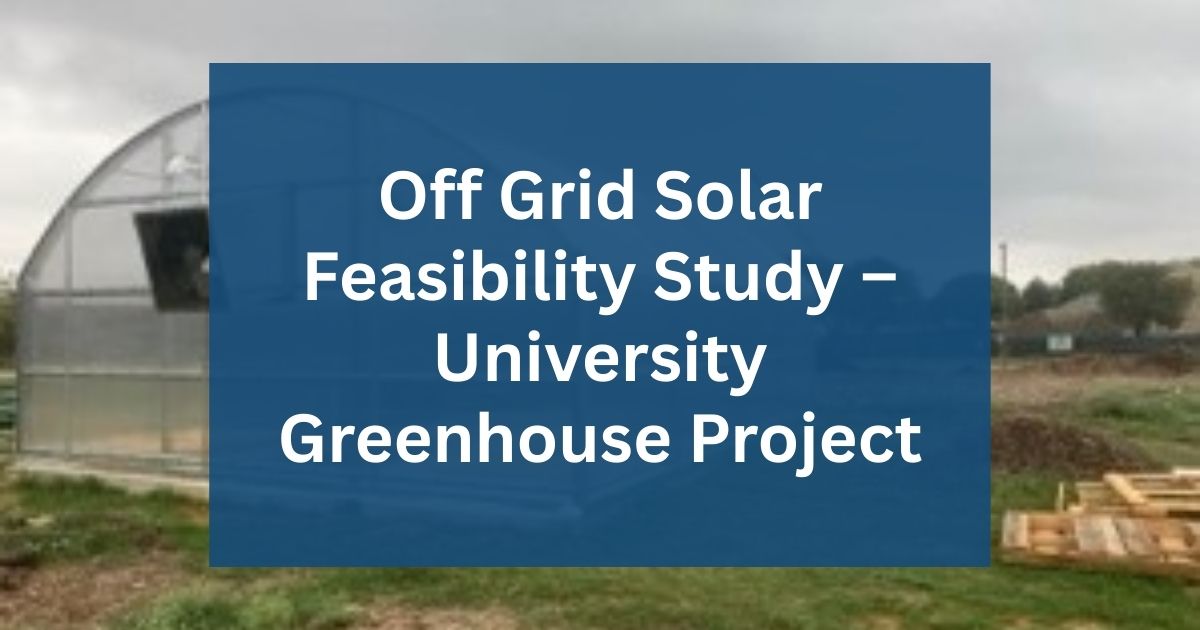
Holistic Utility Solutions completed an off grid solar feasibility study for the University of Texas at Dallas sustainability team at their Eco Farm greenhouse.
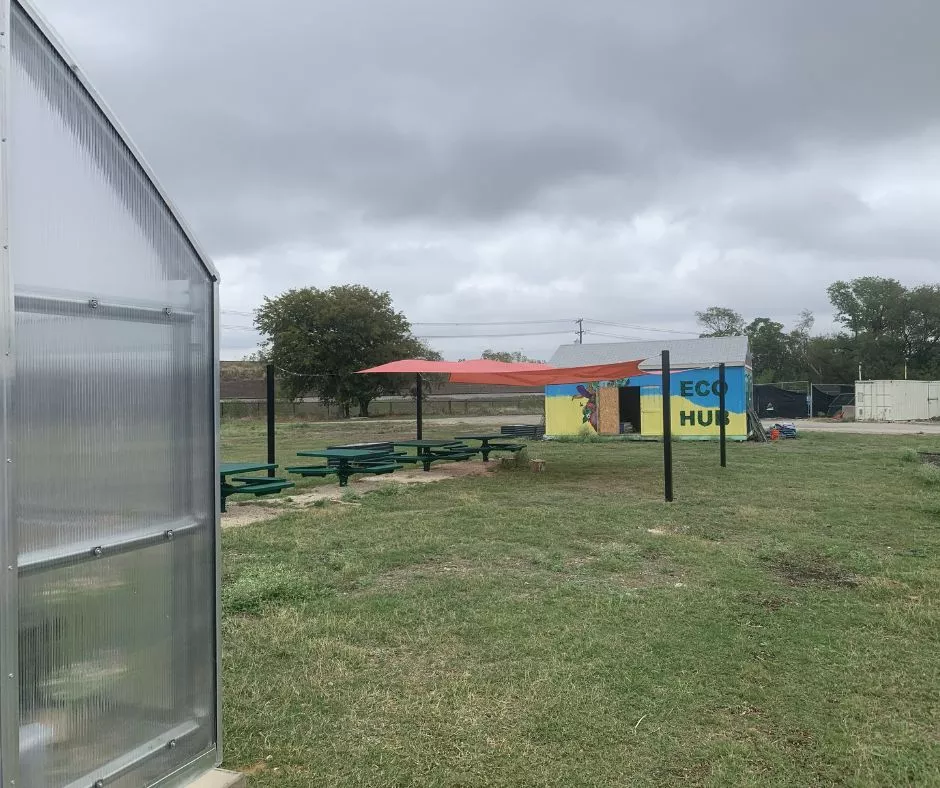
The greenhouse supports research, education, and sustainability demonstrations. However, the facility sits far from existing electrical infrastructure. Because of this, the university needed to determine whether solar power and battery storage could operate the greenhouse more economically than extending utility service.
Therefore, the off grid solar feasibility study evaluated system sizing, reliability, and long-term cost performance for a fully solar-powered solution.
Progress
To begin the off grid solar feasibility study, Holistic analyzed every electrical load operating within the greenhouse.
The analysis included equipment such as:
- Ventilation fans
- Seed heating mats
- Lighting systems
- Charging equipment for electric lawn tools
Because several loads operate seasonally, the team adjusted the calculations to reflect realistic year-round operating conditions.
Next, Holistic calculated both total energy consumption and peak demand. These values allowed the team to determine how solar production and battery storage could support the greenhouse throughout the day and overnight.
In addition, the team evaluated seasonal solar generation patterns to ensure the system could maintain reliable performance during winter months.
Solution
Using the load analysis, Holistic Utility Solutions designed several system configurations for the off grid solar feasibility study.
The team evaluated:
- Solar production potential at the greenhouse site
- Battery storage requirements for overnight operation
- Seasonal variation in solar output
- Reliability of continuous off-grid operation
In addition, Holistic compared two installation approaches. The first option used roof-mounted solar panels on the greenhouse structure. The second option evaluated a nearby ground-mounted solar array.
The study also compared the cost of extending grid power approximately 250 feet to the site. This comparison allowed the university to clearly evaluate the financial tradeoffs between utility connection and off-grid solar generation.
Result
The off grid solar feasibility study provided the university with a clear technical and financial roadmap for powering the greenhouse.
The final analysis included:
- Recommended solar and battery system sizing
- Comparison of roof and ground solar options
- Financial comparison of off-grid solar versus grid extension
- Reliability modeling for year-round operation
As a result, the university gained the information required to select the most practical and cost-effective power solution for the greenhouse facility.
Overall, this project demonstrates how an off grid solar feasibility study can guide renewable energy planning for research facilities and remote infrastructure.