
Overview
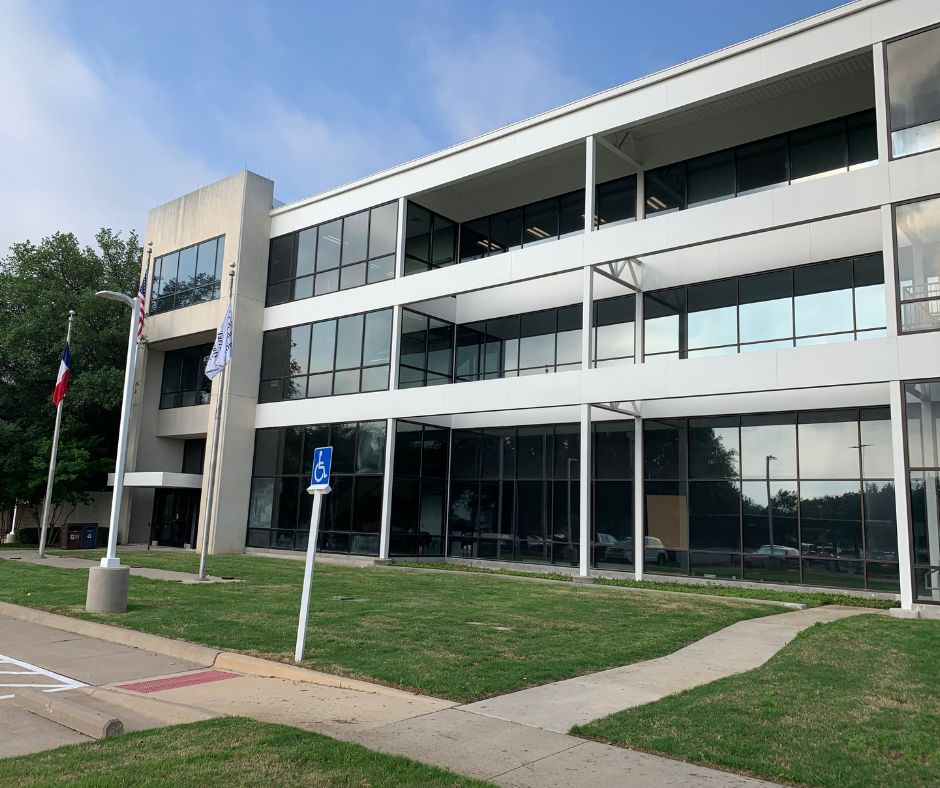
Holistic Utility Solutions was engaged by Tarrant County Community College (TCCD) to complete an energy storage feasibility analysis across multiple campuses in the Fort Worth, Texas area.
TCCD operates more than 5 million square feet of educational facilities across five major campuses. With rising energy costs and increasing demand charges, the college sought to evaluate battery energy storage systems and thermal energy storage as potential strategies to reduce operating expenses.
The objective of the energy storage feasibility analysis was to determine technical feasibility, financial performance, and long-term implementation strategy.
Progress
Holistic began the energy storage feasibility analysis by collecting and organizing 24 months of interval electricity data across six campus locations.
This dataset included detailed consumption information and demand profiles. The data was used to reconstruct utility bills and simulate potential savings under multiple storage scenarios.
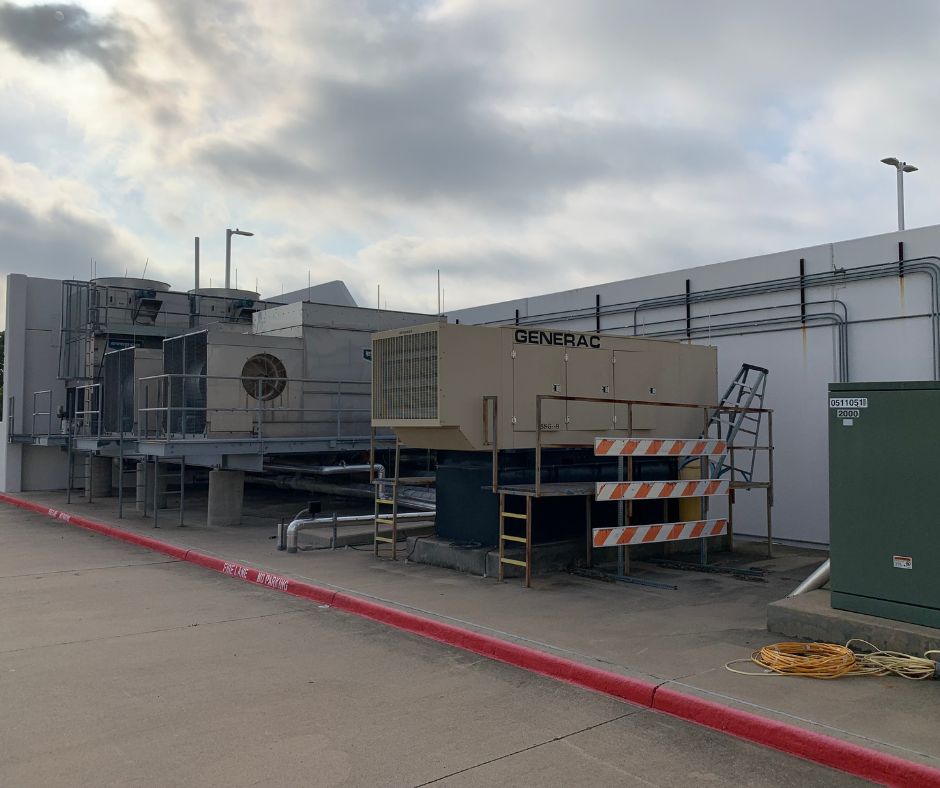
Central Utility Plant (CUP) trend data for each campus was also downloaded from the Building Automation System (BMS). This included pump status/power, chiller tonnage, and chiller KW/ton. This allowed comparison of overall facility energy usage with plant specific loads.
The Holistic data science team developed custom Python models that replicated each facility’s utility tariff structure.
The models allowed the team to:
- Recreate historical electricity costs
- Simulate solar generation and battery dispatch
- Evaluate thermal storage strategies
- Forecast energy cost under alternative utility tariffs
Because large campuses often have complex load profiles, the analysis included multiple operating scenarios and seasonal variations.
Solution
The energy storage feasibility analysis evaluated several infrastructure strategies, including:
- Battery Energy Storage Systems
- Thermal Energy Storage Systems
- Combined solar + storage strategies
Using the custom models, Holistic simulated demand charge reductions and energy cost savings across each campus.
In addition to technical modeling, the project included full financial analysis, including capital cost estimates and long-term cash flow projections.
The final deliverable was a detailed report exceeding 200 pages. The report provided a roadmap for potential energy infrastructure investments across the TCCD portfolio.
Result
The energy storage feasibility analysis confirmed that a phased implementation strategy could support a large-scale energy program across the college system.
The study outlined a potential program valued between $20 million and $40 million in infrastructure investment over the next five years.
Key benefits identified included:
- Reduced peak demand charges
- Improved energy cost predictability
- Increased grid resiliency
- Long-term infrastructure planning for campus growth
By combining advanced utility modeling with financial analysis, Holistic Utility Solutions provided TCCD with a clear strategy for implementing energy storage technologies across multiple campuses.
This project demonstrates how data-driven energy planning can support long-term operational and financial sustainability for large institutional portfolios.
Contact Holistic Utility Solutions if you are considering doing a feasibility study across your organization.