

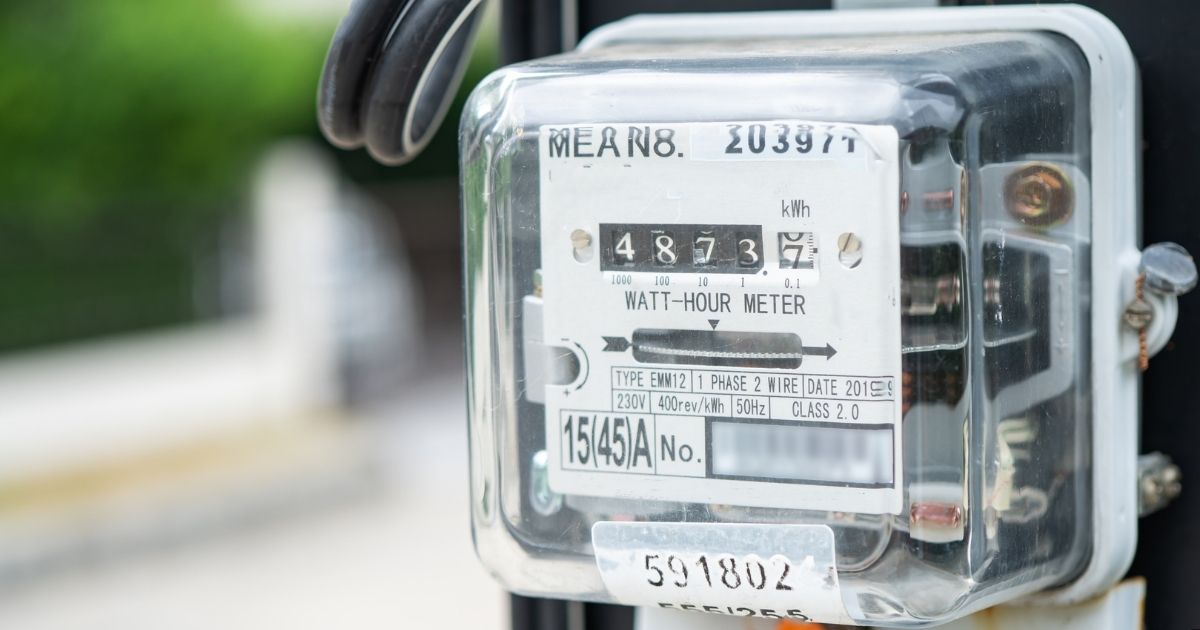
The Rising Cost of Energy Is Draining Municipal Budgets
Across Texas, utilities and municipalities are facing one of their most pressing operational challenges: rising energy costs and the growing need for effective energy cost reduction. From water treatment plants and pumping stations to administrative buildings and city facilities, outdated equipment and hidden inefficiencies quietly drain budgets year after year.
As Texas’ energy grid continues to evolve, demand increases, and regulatory pressure intensifies, the cost of inaction escalates rapidly, leaving municipalities exposed to higher operating expenses and reduced financial flexibility.
The good news is that energy cost reduction is not guesswork. It is strategic, data-driven, and measurable. When utilities apply the right audits, analytics, and optimization strategies, they can significantly lower energy spend, improve system resilience, and redirect capital toward critical infrastructure investments.
If your municipality has not completed a professional energy audit, there is a strong likelihood you are overpaying for electricity and missing opportunities to secure rebates, grant funding, and long-term performance upgrades.
Why Energy Efficiency Is Now a Financial Imperative for Municipalities
Modern energy efficiency is no longer about “turning off the lights.” It’s about re-engineering how power flows through your systems and ensuring every dollar spent delivers maximum output.
A strategic energy cost reduction plan helps communities to:
- Reduce annual operating expenses across water, wastewater, and public facilities
- Improve system reliability through optimized run schedules
- Lower emergency repair costs through real-time monitoring
- Increase public trust with transparent, measurable financial stewardship
- Stay ahead of state and federal performance standards
Even small efficiency improvements — 8%, 12%, 18% — compound significantly across a city’s portfolio of assets. The earlier municipalities begin the optimization process, the easier it becomes to manage long-term sustainability.
5 Proven Ways Texas Utilities Can Achieve Real Energy Cost Reduction
1. Start With a Comprehensive Energy Audit
The most impactful first step toward energy cost reduction is identifying exactly where waste is happening.
A professional energy audit provides a detailed diagnostic of your facilities, including:
- Pumping system inefficiencies and oversized motors
- HVAC units running during peak-time utility rates
- Misaligned schedules causing unnecessary power consumption
- Lighting and electrical systems that haven’t been optimized in decades
These audits reveal fast-payback opportunities, often providing ROI within months. Utilities frequently discover savings that were completely invisible without a data-driven energy analysis.
2. Optimize HVAC, Pumping, Wastewater Treatment, and Building Systems
Municipal facilities and water/wastewater operations can represent up to 80% of total energy consumption.
Through strategic upgrades such as variable frequency drives (VFDs), automation controls, and optimized set points, utilities can reduce energy usage by 15% to 30% with minimal down time.
Simple improvements include:
- Airflow balancing and chiller tuning
- Intelligent building automation
- Variable Frequency Drives on aeration fans and water pumps
- Pump scheduling aligned with off-peak hours
- Remote monitoring for continuous performance
These optimizations extend equipment life and eliminate costly “run-to-fail” patterns.
3. Implement Smart Metering and Real-Time Analytics
Energy audits today go beyond clipboard inspections. They leverage IoT sensors, AMI, sub-metering, and live dashboards. When utilities gain visibility into real-time energy consumption, they can:
- Detect anomalies before they become failures
- Reduce peak demand charges
- Schedule equipment during low-rate periods
- Measure the impact of conservation strategies instantly
Many Texas utilities, such as Oncor, CenterPoint, and TNMP, offer incentives or funding for energy efficiency improvements, making these improvements budget-friendly.
4. Upgrade Lighting and Electrical Systems
LED retrofits have become one of the fastest, highest-ROI strategies for energy cost reduction.
Switching outdated lighting to LED systems can reduce consumption by 50%–70%, with additional savings from motion sensors, daylight harvesting, and occupancy-based controls.
For Cities with their own streetlights, these can also yield significant savings in both energy and maintenance while improving safety and security of your community.
Beyond lighting, optimizing power factor and reducing electrical harmonics lowers monthly utility penalties that many municipalities don’t even realize they’re paying.
5. Maximize Grants, Rebates, and Funding Opportunities
A major misconception is that energy efficiency upgrades require large upfront capital.
In reality, Texas municipalities have access to significant funding, including:
- SECO (State Energy Conservation Office)
- Federal Grants, such as EECBG
- Utility-based performance rebates
- Matching funds for water loss and metering improvements
Holistic Utility Solutions helps clients layer these programs to offset some of their project costs.
Start Your Energy Cost Reduction Plan Today
Every dollar saved on energy can be reinvested into community improvements, from infrastructure upgrades to public safety resources. The path forward begins with a clear understanding of your current energy performance.
Holistic Utility Solutions provides comprehensive energy audits Texas utilities rely on for accurate, unbiased, and actionable recommendations. Our team evaluates your facilities, benchmarks usage, and designs a custom roadmap for long-term energy cost reduction.
Ready to uncover your hidden savings?
Schedule your Free Energy Audit Consultation today.
Our experts will help you identify inefficiencies, secure funding, and implement proven strategies that save millions over time.